Quiet Rooms, Clear Mind

Join us as we explore ‘A Calm Kitchen, Bath, and Bedroom: Applying Refined Minimalism Room by Room,’ translating quiet design into daily ease. Through gentle steps, evidence-backed insights, and relatable stories, we’ll lighten visual noise, refine materials, and build rituals that protect attention, comfort, and time. Expect humane checklists and graceful decisions that feel supportive, not strict, so serenity becomes a practical habit you can actually keep through seasons.

The Mindset Behind the Calm

Refined minimalism begins with purpose, not deprivation. Research linking visual clutter to higher cortisol shows why fewer, better choices feel soothing. Imagine opening a drawer and finding only what you use daily; one of our readers cleared three utensils and cooked faster, smiling more often. Start small, remove friction, and watch how lighter spaces naturally invite kinder routines without any harsh rules.

Intentional Starts in the Kitchen

Begin every morning by resetting surfaces: wipe counters, return knives and oils to one concealed station, and keep a single fruit bowl as your living accent. This five-minute ritual prevents pileups, honors cooking flow, and creates a welcoming stage for chopping, simmering, and mindful tasting throughout busy weeks. Small repetitions build reliability, making order feel effortless rather than forced.

Rituals That Soothe in the Bath

Place essentials within an easy arm’s reach and hide everything else behind a single shelf door or caddy. A small tray with soap, brush, and candle becomes a ceremony, turning evening rinses into punctuation marks that relax the jaw, settle breathing, and cue genuinely deeper sleep. Consistency brings comfort, proving quiet rituals can reshape even the most hectic days.

A Kitchen That Cooks Without Clutter

Design for motion: store heavy pots near the stove, plates near the dishwasher, spices near prep. Limit the counter to two hardworking tools you genuinely love. A restrained palette of wood, ceramic, and matte metal reduces distraction, encouraging focus on knife skills, aroma, and timing. Let ingredients become the color, and dinner becomes simpler, faster, and more joyful.

Surfaces That Welcome Work

Choose durable, low-sheen surfaces like sealed wood or honed stone that photograph softly and clean easily. Fewer visual reflections mean calmer eyes during late dinners. Keep a microfiber cloth in the top drawer so wiping becomes as automatic as rinsing hands before seasoning vegetables or kneading dough. When cleanups shrink, cooking creativity expands warmly and reliably.

Storage That Follows Your Flow

Group by action rather than category: brew station with mugs, kettle, leaves; prep station with knives, board, towels. Label inside shelves, not fronts, to keep faces quiet. This straightforward zoning trims steps, makes cleanup easier, and supports collaborative cooking without constant clarifying conversations. Everyone knows where tools live, and momentum becomes pleasantly contagious.

Light, Color, and Quiet Appetite

Use warm white LEDs around 2700–3000K to flatter food and skin, and keep accent color to one movable piece like a towel or pitcher. Subtle contrast helps ingredients pop, reducing oversalting or overcooking by improving perception of doneness, browning, and freshness during real weeknights. Better light saves recipes, nerves, and cherished family energy.

A Bath that Restores with Restraint

Water, light, and texture do most of the talking. Choose one dominant material and let it repeat: matte tile, quiet stone, or limewash. Conceal shampoos behind opaque doors, decant the rest into two identical bottles, and let a single plant or towel deliver soft, living movement. Gentle simplicity helps mornings start crisp and evenings unwind generously.

Materials That Age Gracefully

Patina reads as memory rather than mess when chosen intentionally. Unlacquered brass, oiled wood accents, and breathable paint develop character without demanding constant polishing. Combine them with non-slip grout lines and rounded edges to keep maintenance humane, encouraging longer baths and fewer frustrating, rushed scrubbing marathons. Time adds beauty, not burden, when materials are honest.

Storage That Disappears

Recessed niches and mirrored cabinets hide necessity without stealing space. Use drawer dividers so brushes, floss, and razors each have a lane, reducing micro-stress at busy times. A single laundry basket on gliders prevents floor scatter, making weekly resets faster and far kinder to morning energy. Invisible order supports visible serenity, every ordinary day.

The Bed as Anchor

Choose a supportive mattress and a calm headboard height that frames, not dominates. Two pillows per sleeper, breathable sheets, and a single throw invite order without stiffness. Making the bed each morning becomes a two-minute reset that keeps everything else proportionate, tidy, and emotionally lighter. Comfort turns daily when anchors stay simple.

Lighting That Unwinds

Layer light: a ceiling wash for chores, warm bedside lamps for evenings, and a low night light for safe paths. Avoid cool color temperatures that energize too late. A simple dimmer lets conversation linger and signals to the body that rest is welcome, not demanded. Darkness and warmth co-author deeper sleep.

Wardrobes Without the Whirlwind

Adopt a small, seasonal rail and store the rest out of sight. Use identical slim hangers and file-fold drawers for quick scanning. When mornings start with fewer choices, you regain minutes for stretching, breakfast, or writing, gently nudging mood and productivity in an encouraging direction. Dress with confidence because choices have eased.

Senses, Materials, and the Quiet Science
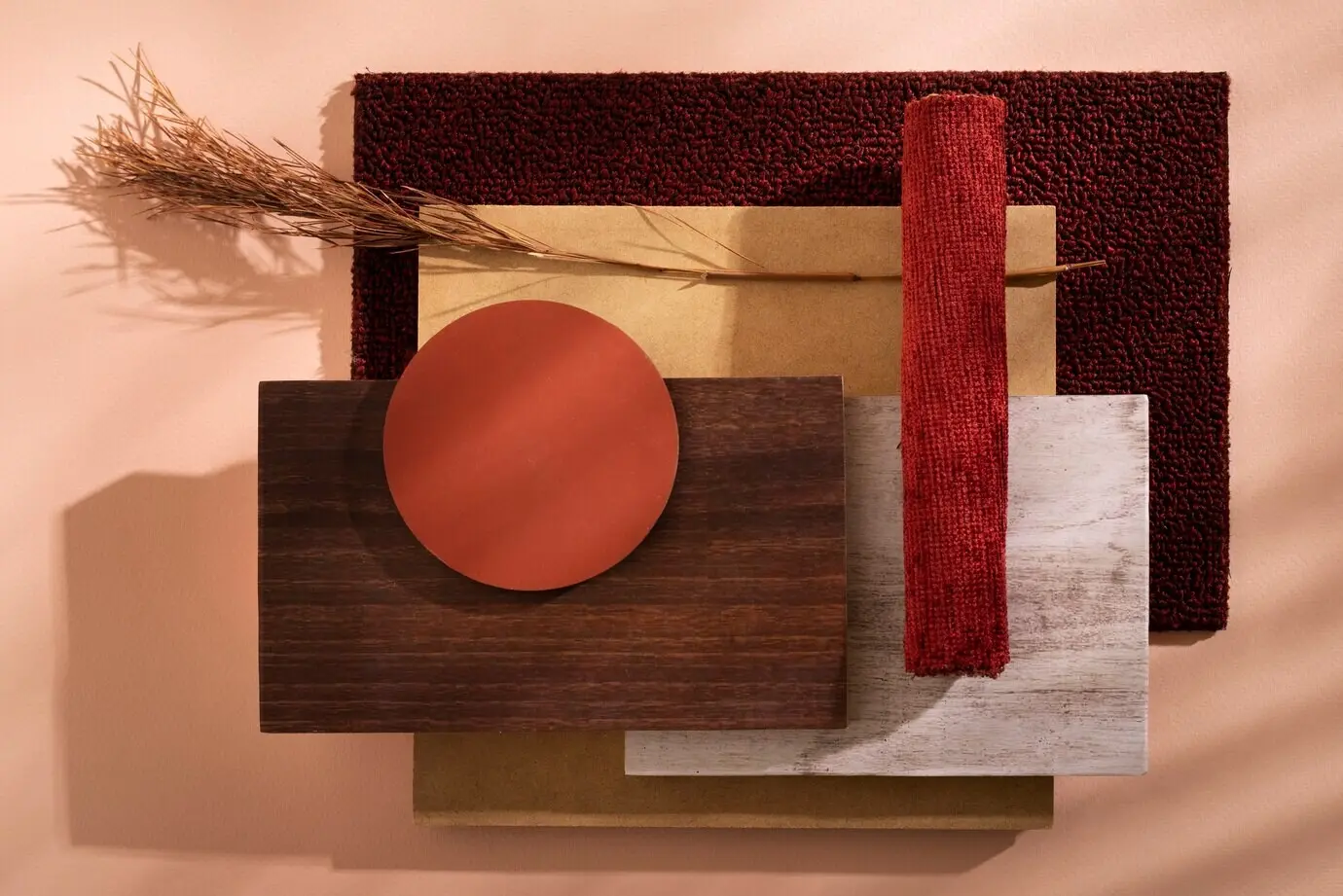
Calm is multisensory, not just visual. Soft acoustics, gentle scents, and tactile variation reduce cognitive load. Studies show clutter correlates with stress hormones; light noise also impacts focus. Choose absorbent textiles, subtle essential oils, and low-gloss finishes to support mindful cooking, unhurried bathing, and genuinely restorative sleep. Simple inputs create outsized, lasting comfort.
Add felt pads under chairs, a washable rug runner near prep, and bath towels that double as acoustic dampers when hung. Lower reverberation shortens the time your brain spends filtering echoes, freeing attention for flavors, conversation, and the small comforts that make ordinary routines feel rare. Quiet soundscapes nourish presence and patience.
Keep aromas simple and room-appropriate: lemon near the sink for alertness, eucalyptus in the shower for clearing, and a faint lavender at bedtime to cue rest. Avoid constant diffusers; brief, deliberate rituals feel special and prevent scent fatigue that can dull appetite or mood. Meaningful moments bloom when fragrances whisper.
Alternate textures to guide behavior: cool stone near hot pans for safety cues, soft cotton bath mats to slow steps, and linen duvet covers that breathe through seasons. Small temperature and texture signals reduce agitation, inviting steadier movements and kinder conversations across meals, showers, and bedtime. Comfort becomes navigational, steady, and grounding.

Habits That Keep the Calm

Spaces stay peaceful when behaviors align. Create tiny checkpoints: a two-song tidy after dinner, a one-minute shower squeegee, and a clothes reset while the kettle warms. These rituals protect investments in materials and make serenity a daily practice rather than a weekend rescue mission. Consistency outperforms intensity almost every time.
Vozonizifevenoriratiro
Privacy Overview

This website uses cookies so that we can provide you with the best user experience possible. Cookie information is stored in your browser and performs functions such as recognising you when you return to our website and helping our team to understand which sections of the website you find most interesting and useful.